
 English
 中文简体
中文简体 русский
 日本語
日本語 Français
 Español
 عربى
عربىes
¿Qué es una empacadora de cartón? Una planta de embalaje que genera dos toneladas de recortes de cartón ondulado al día se enfrenta a un prob...
LEER MÁSCompactador de precisión reciclables. Los fardos de alta densidad mejoran el valor del reciclaje. Durabilidad de por vida con soporte remoto las 24 horas, la opción ideal para estaciones de transferencia de residuos.
TODOS
Ámbito de aplicación:
Descubra más
Añadir a la lista de deseos
Agregado √
Ámbito de aplicación:
Descubra más
Añadir a la lista de deseos
Agregado √
Ámbito de aplicación:
Descubra más
Añadir a la lista de deseos
Agregado √
Ámbito de aplicación:
Descubra más
Añadir a la lista de deseos
Agregado √
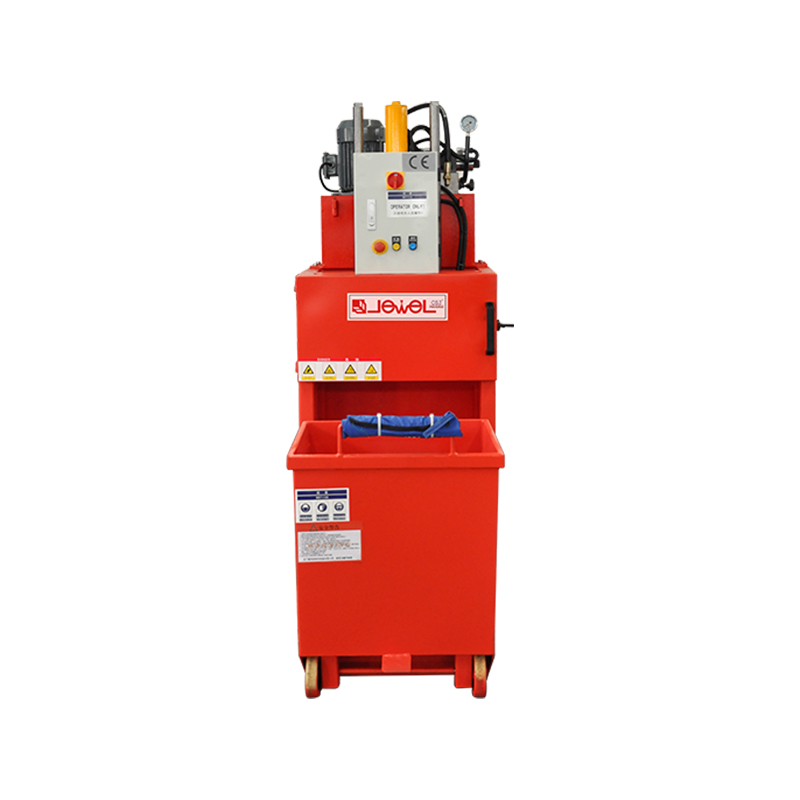
Ámbito de aplicación:
Descubra más
Añadir a la lista de deseos
Agregado √
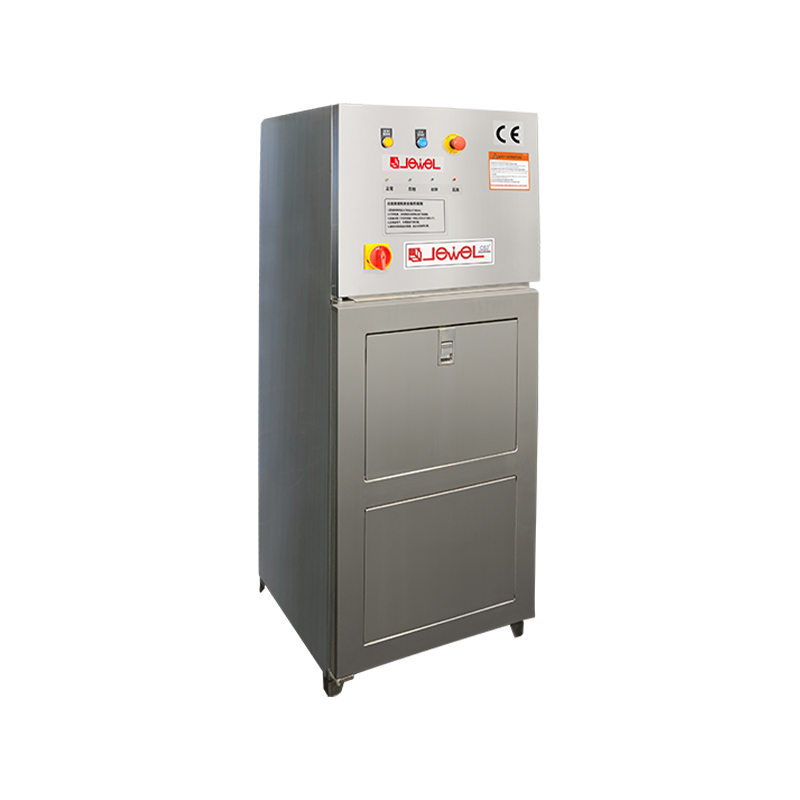
Ámbito de aplicación:
Descubra más
Añadir a la lista de deseos
Agregado √
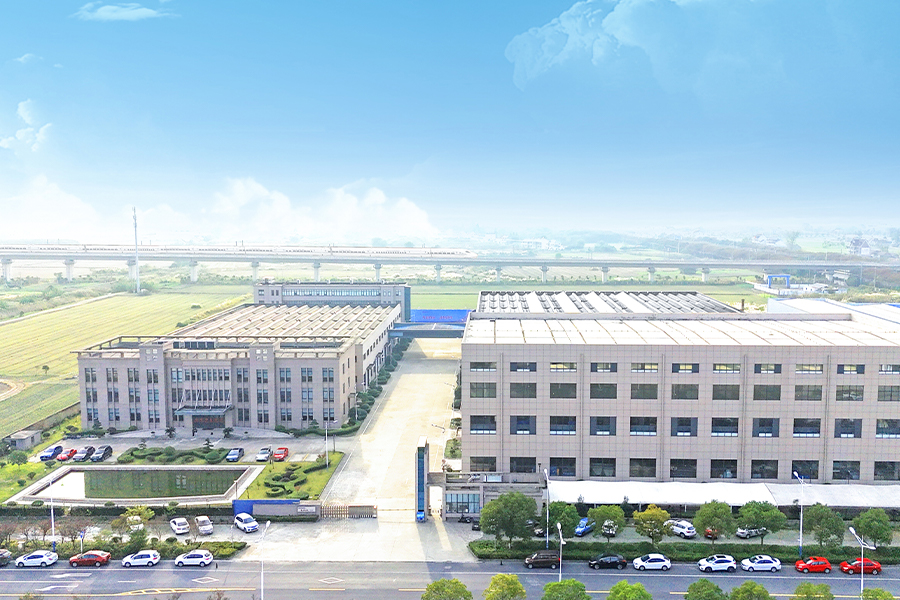
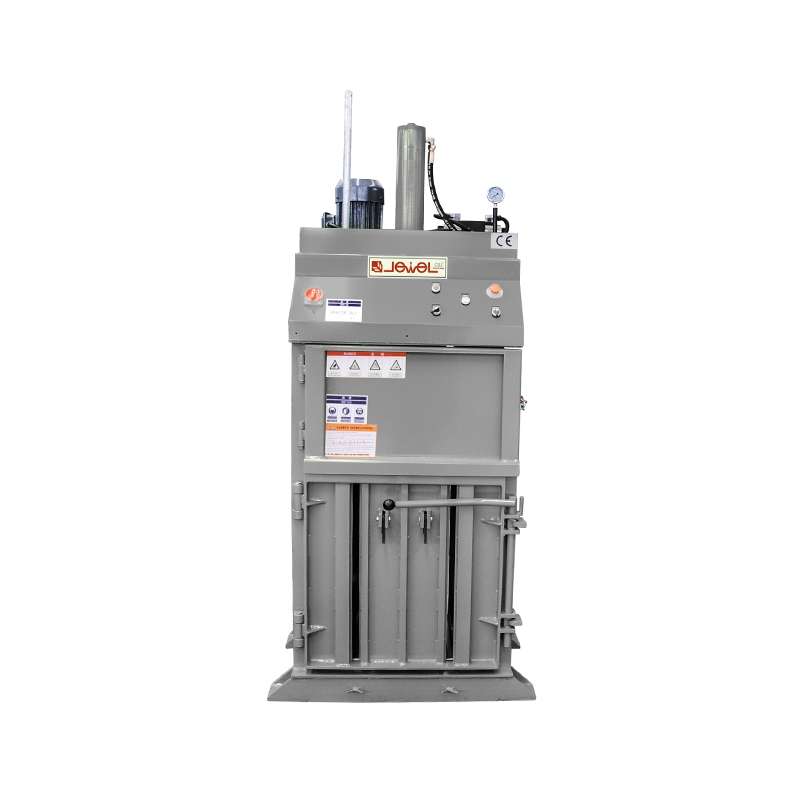
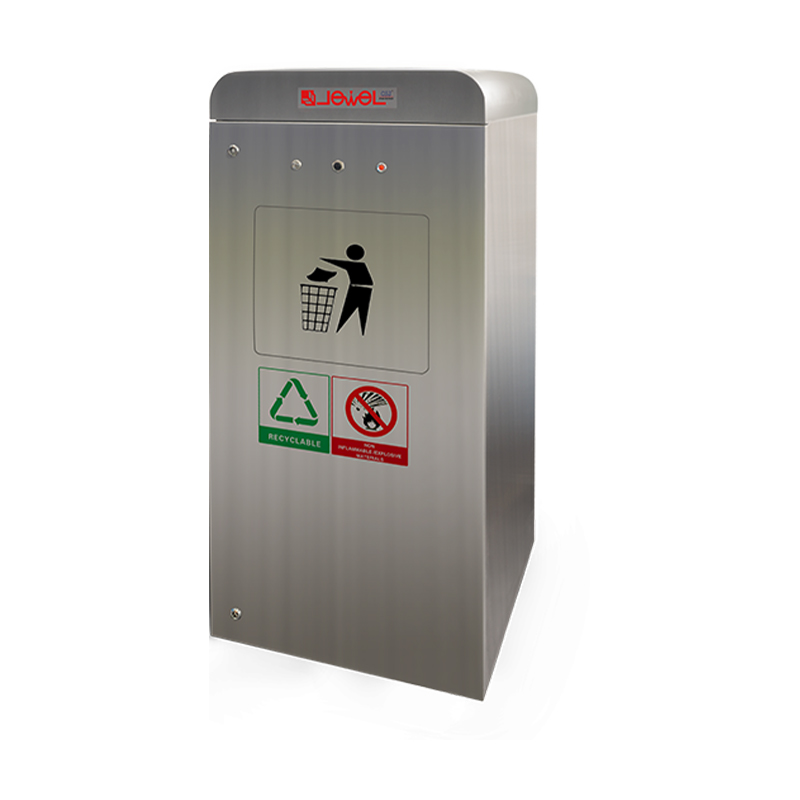
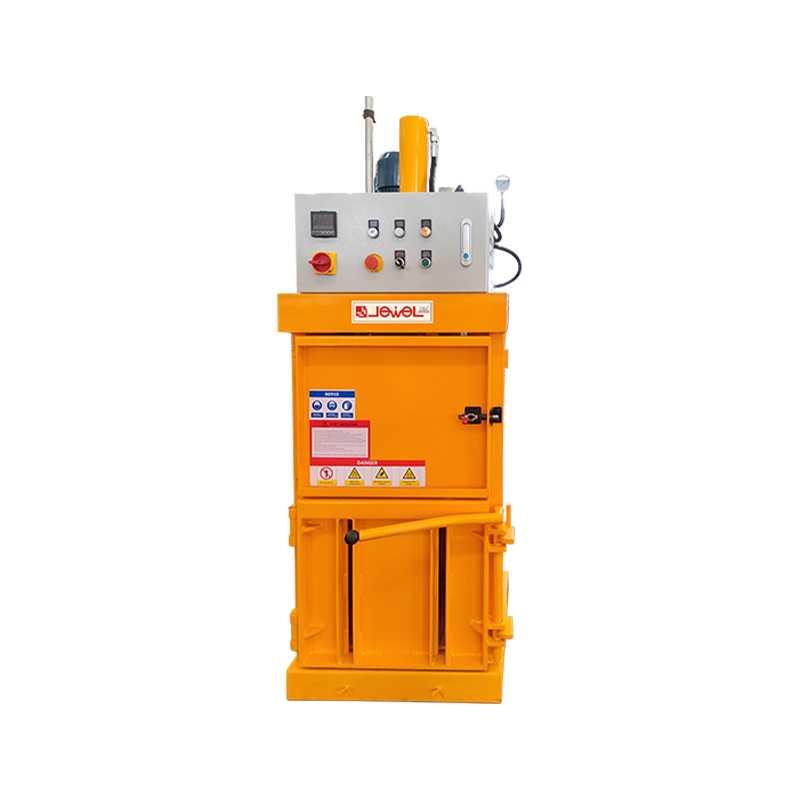
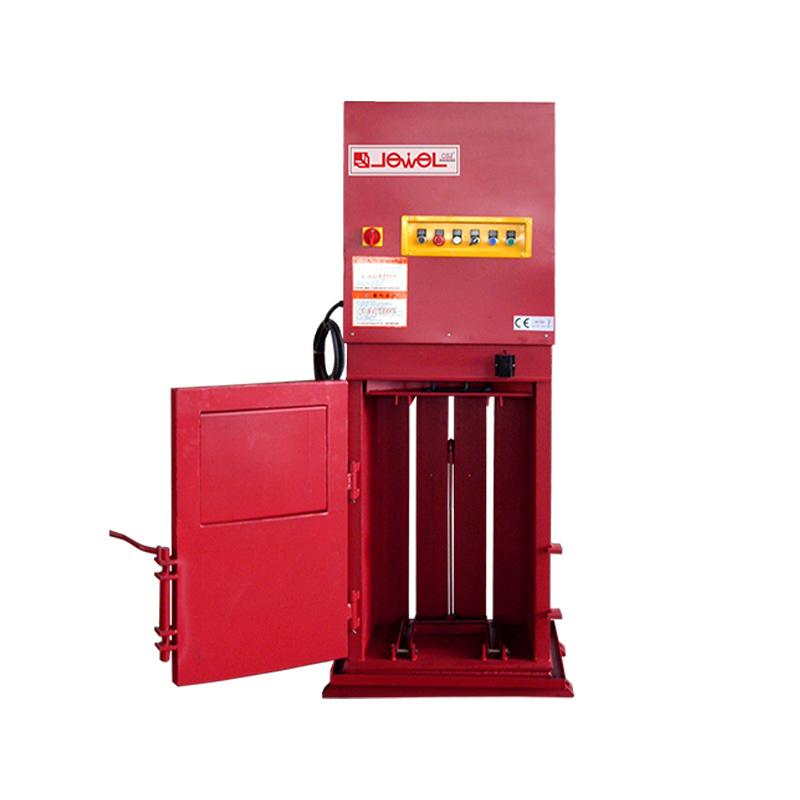
Como Empacadora vertical de residuos sólidos (basura) Fabricantes y Empacadora vertical de residuos sólidos (basura) Proveedores, Shanghai Jewel Tech Co., Ltd., establecida en 2006 (la marca fue fundada en 1995), se especializa en la investigación, desarrollo y fabricación de equipos de compresión y empacado ecológicos e inteligentes. Contamos con una moderna instalación de producción de 50,000 metros cuadrados y un equipo de más de 200 profesionales.
Aprovechando nuestra amplia experiencia en fabricación, ofrecemos a nuestros clientes:
Máquinas de compresión y empacado semiautomáticas/automáticas. Sistemas inteligentes de eliminación de residuos para diversas industrias. Sistemas automáticos de compresión y envoltura. Máquinas integradas de trituración, compresión y empacado. Soluciones personalizadas para la industria.
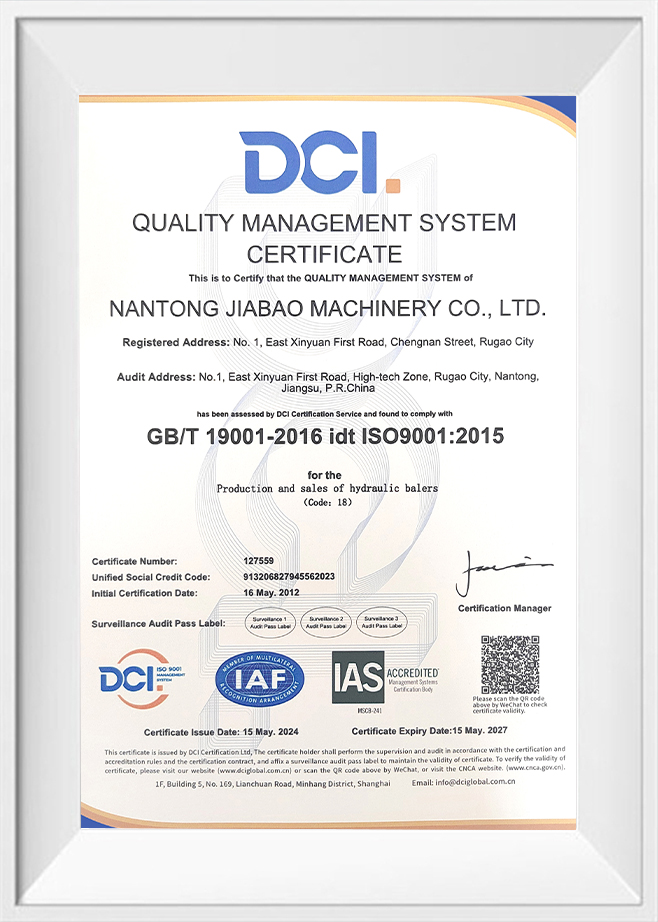
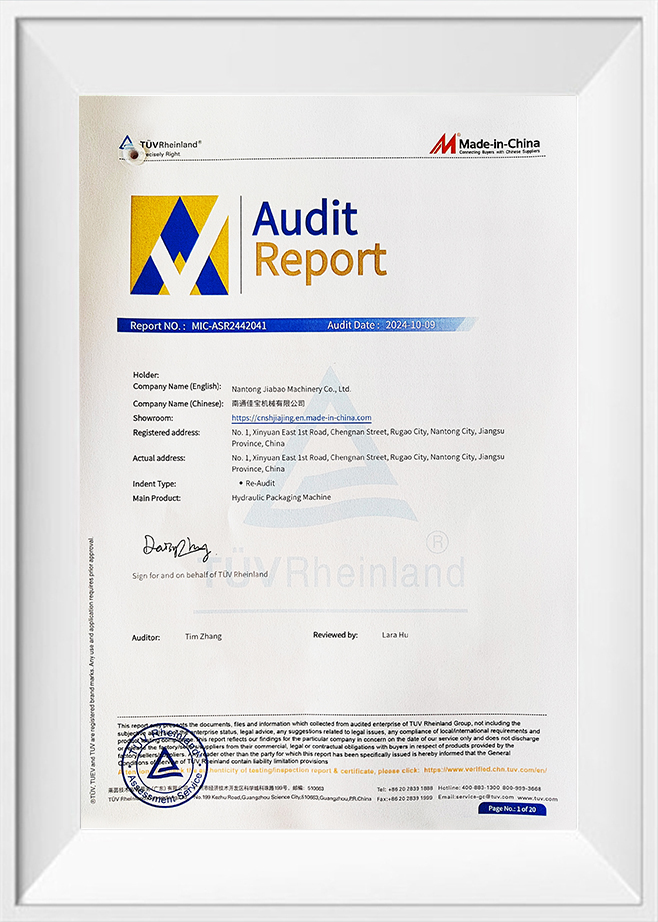
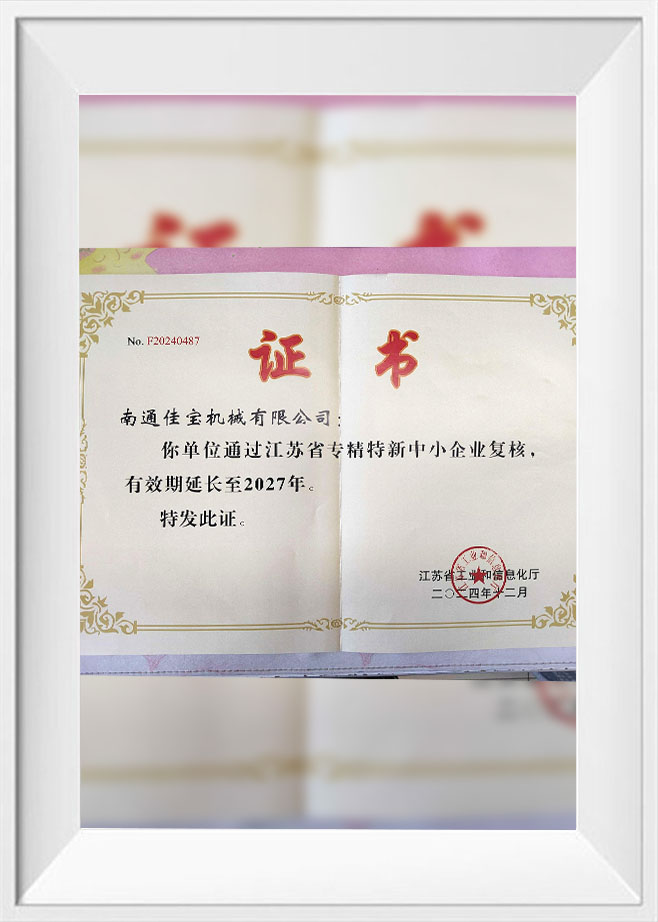
¿Qué es una empacadora de cartón? Una planta de embalaje que genera dos toneladas de recortes de cartón ondulado al día se enfrenta a un prob...
LEER MÁSLa respuesta corta primero Un director de producción de una planta de embalaje de cartón ondulado me mostró recientemente dos fotografías. El primer...
LEER MÁSEmpacadoras horizontales para compactación de materiales de gran volumen: descripción técnica Las plantas de fabricación, los centros de distribució...
LEER MÁSUn diseño adecuado empacadora hace más que comprimir residuos: cambia la forma en que una instalación gestiona el espacio, la mano de o...
LEER MÁSVertical solid waste balers are widely applied in waste transfer stations, industrial facilities, recycling centers, and logistics hubs to compress a variety of materials such as paper, plastics, textiles, and mixed solid waste. In practical operation, these materials are not always dry, and water-containing or wet waste is commonly encountered in municipal and industrial waste streams. Whether such conditions affect the performance of a vertical baler depends on moisture level, waste composition, hydraulic system design, and chamber structure. Shanghai Jewel Tech Co., Ltd., with extensive experience in developing intelligent compression and baling equipment, designs systems that can accommodate different moisture conditions through adjustable hydraulic pressure and reinforced structural configurations.
Moisture in waste materials changes their physical characteristics, including density, friction, and compressibility. Wet waste tends to be heavier and more cohesive, which can influence how it settles inside the compression chamber. During the baling process, water content may reduce material elasticity and increase resistance during compression, requiring more controlled pressure distribution. Vertical balers can still operate under these conditions, but cycle stability and bale uniformity may vary depending on moisture level. Moderate moisture typically causes limited operational impact, while excessive water content can lead to uneven compression and reduced material flow efficiency.
The hydraulic system is a key factor in determining how a vertical solid waste baler responds to wet materials. When compressing water-containing waste, hydraulic pressure must remain stable to ensure consistent force application throughout the compression stroke. Variations in resistance caused by moisture can place additional demand on the system, particularly during peak compression stages. Shanghai Jewel Tech Co., Ltd. incorporates hydraulic designs that support adjustable pressure output, allowing operators to adapt to different waste conditions without compromising system stability. Reinforced cylinders and sealing structures are also used to maintain reliable performance during long operational cycles.
To understand the operational differences, it is useful to compare how vertical balers handle dry and wet waste materials under similar working conditions. The following table outlines key performance variations observed in typical industrial applications.
| Waste Condition | Material Characteristics | Compression Behavior | Operational Impact | System Consideration |
| Dry Solid Waste | Stable structure, low moisture content | Uniform compression with consistent density | Smooth operation with predictable cycle time | Standard hydraulic settings are sufficient |
| Moderately Wet Waste | Increased weight, partial cohesion | Slight variation in compression resistance | May require adjusted cycle timing | Hydraulic pressure adjustment recommended |
| Heavily Water-Containing Waste | High moisture content, reduced structural stability | Uneven compression and potential material flow issues | Reduced efficiency and increased maintenance demand | Pre-drainage or pre-treatment recommended |
The design of the compression chamber plays an important role in managing wet waste. When moisture is present, materials tend to adhere more easily to internal surfaces, which can affect loading and discharge efficiency. Smooth inner surfaces and optimized chamber geometry help reduce material sticking and support more consistent flow. In systems developed by Shanghai Jewel Tech Co., Ltd., structural reinforcement is applied to ensure that repeated exposure to moisture does not compromise mechanical stability. Proper chamber design also helps distribute compression force more evenly across the waste mass.
Automation can improve consistency when handling water-containing waste by reducing manual intervention and ensuring more controlled feeding cycles. Semi-automatic systems rely on operator management of input materials, which can introduce variability when moisture levels fluctuate. Fully automatic systems, on the other hand, can regulate feeding and compression timing more precisely, helping maintain stable operation under changing conditions. Shanghai Jewel Tech Co., Ltd. provides both system types, allowing users to select configurations based on operational scale and waste composition.
Processing wet waste generally increases maintenance requirements due to higher chances of residue accumulation and moisture-related wear. Regular cleaning of the compression chamber is important to prevent buildup of organic or fibrous residues that may affect movement of internal components. Hydraulic seals and connection points should also be inspected more frequently to ensure no moisture infiltration affects system performance. Preventive maintenance schedules are typically adjusted based on the proportion of wet waste processed in daily operations, helping maintain stable functionality over time.
Vertical solid waste balers can handle water-containing or wet waste within certain operational limits, but performance depends on proper system configuration and waste management practices. In industrial environments where waste streams are partially moist, these machines can operate with adjusted hydraulic settings and controlled feeding procedures. However, when moisture content is consistently high, pre-treatment processes such as draining or sorting may be required to maintain stable operation. Shanghai Jewel Tech Co., Ltd. supports customized solutions that integrate compression, crushing, and waste handling systems, allowing users to adapt equipment to specific environmental and material conditions.
Q: How does moisture content in solid waste influence the performance of a vertical solid garbage baler?
A: Moisture content affects material density, flow behavior, and compression resistance. When waste contains water, it becomes heavier and more cohesive, which can slightly alter compression cycles and bale formation consistency. Vertical balers can still operate under these conditions, but stable hydraulic control and appropriate feeding management are important to maintain consistent performance.
Q: What types of solid waste materials are typically processed in vertical solid garbage balers in industrial facilities?
A: These balers are commonly used for paper waste, plastic packaging, textile scraps, light industrial residues, and mixed recyclable solid waste. In industrial environments, waste streams are often more concentrated and predictable, allowing the equipment to maintain stable compression cycles across continuous operations.
Q: How does automation level affect the handling of mixed solid waste in vertical baling systems?
A: Automation level influences how consistently waste is fed, compressed, and discharged. Semi-automatic systems require operator involvement, which can introduce variability when waste composition changes. Fully automatic systems integrate feeding and compression processes, helping maintain more stable output when handling mixed or fluctuating solid waste streams.
Q: What role does hydraulic system stability play in continuous solid waste baling operations?
A: Hydraulic stability determines whether consistent compression force can be maintained during repeated cycles. In continuous operations, fluctuations in waste density can place varying loads on the system. Stable hydraulic design helps ensure that compression force remains consistent, reducing operational interruptions and supporting uniform bale formation.
Q: Can vertical solid garbage balers be integrated into larger waste processing systems?
A: Yes, they can be integrated with conveyors, shredders, and sorting systems to create a continuous waste processing line. In industrial applications, this integration helps streamline material flow from collection to final compression. Shanghai Jewel Tech Co., Ltd. provides customized system solutions that support such integrated configurations.
Q: How does waste composition variability affect bale density and output consistency?
A: Variability in waste composition can lead to differences in compression resistance, which may affect bale density. Mixed waste with varying material types may compress unevenly compared to uniform waste streams. Adjusting pressure settings and feeding methods helps maintain more consistent output across different waste conditions.
Q: What maintenance practices are recommended for vertical solid garbage balers operating in demanding environments?
A: Regular inspection of hydraulic components, sealing systems, and chamber surfaces is important. Waste residues should be cleaned periodically to prevent buildup that may affect movement or compression efficiency. Maintenance intervals are often adjusted based on workload intensity and waste characteristics to ensure stable long-term operation.

Tipos de residuos
Categorías
 Personalizado Empacadora vertical de residuos sólidos (basura) Proveedores